Discover the Beauty of Mekong Cruise in Vietnam!
Explore the intriguing history and significance of the Cu Chi Tunnels in Vietnam, a remarkable underground network used during the Vietnam War.
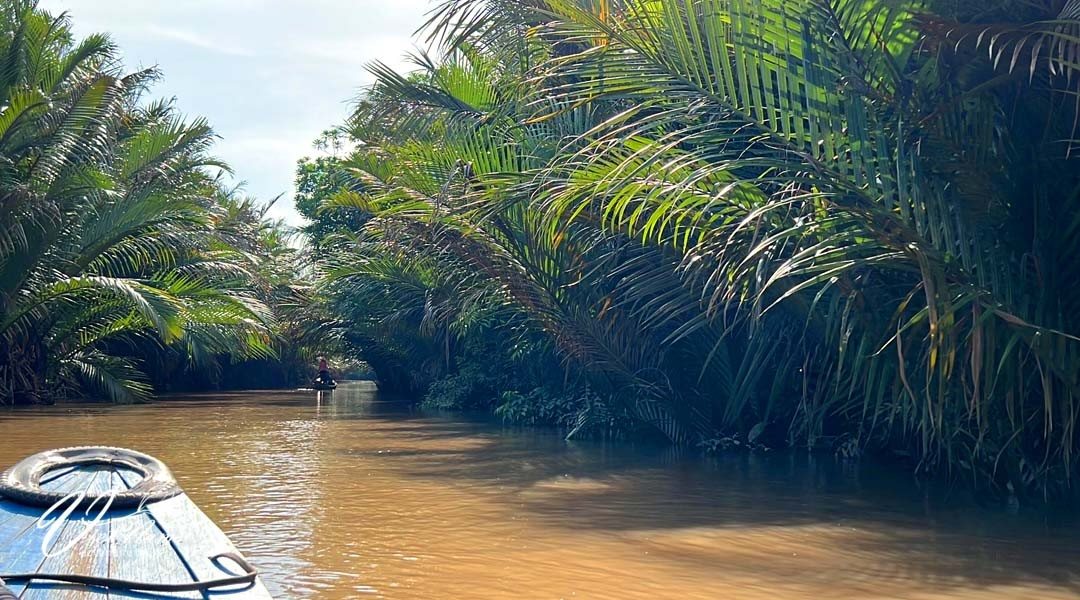 See More: Mekong Cruise Vietnam
The History of Cu Chi Tunnels
The Cu Chi Tunnels in Vietnam have a rich history that dates back to the late 1940s. They were originally built by the Viet Minh during their struggle for independence against French colonial forces. However, it was during the Vietnam War that the tunnels gained global recognition for their strategic importance.
See More: Discover the Beauty of Mekong River on a Cruise in Vietnam!
The Cu Chi Tunnels served as a base of operations for the Viet Cong, a communist guerrilla force fighting against the South Vietnamese government and its American allies. These tunnels offered the Viet Cong a network of hiding spots, supply routes, and communication channels, allowing them to launch surprise attacks and evade enemy forces.
See More: Unveiling Cu Chi Tunnels Vietnam
Stretching over 250 kilometers in total, the Cu Chi Tunnels were an engineering marvel. They were meticulously constructed using basic tools and materials, such as shovels and bamboo. The tunnels consisted of multiple levels, with some reaching depths of up to 10 meters. They were designed to withstand bombing and artillery attacks, with reinforced walls and cleverly disguised entrances.
Exploring the Cu Chi Tunnels today offers a glimpse into the ingenuity and resilience of the Vietnamese people during the war. It is a testament to their determination to defend their homeland and secure their independence.
Ingenious Construction Techniques
The construction techniques used to build the Cu Chi Tunnels were nothing short of remarkable. With limited resources and equipment, the Vietnamese guerrilla fighters managed to create an extensive underground network that served as a lifeline for their operations.
One of the key techniques employed was the use of bamboo. Bamboo was not only readily available in the surrounding areas, but it also offered several advantages. Its natural strength and flexibility made it an ideal material for constructing tunnel walls and support structures. Additionally, bamboo was used to create ventilation shafts, ensuring a constant supply of fresh air within the tunnels.
The Viet Cong also utilized camouflage techniques to conceal the entrances and exits of the tunnels. They ingeniously disguised them as termite mounds, anthills, or hidden trapdoors under forest foliage. This made it incredibly difficult for enemy forces to locate and destroy the tunnels.
Another innovative construction technique was the use of booby traps. The Viet Cong strategically placed traps throughout the tunnels to deter and inflict harm on enemy soldiers. These traps included spike pits, punji sticks, and tripwires connected to explosives.
The construction techniques employed in the Cu Chi Tunnels highlight the resourcefulness and adaptability of the Vietnamese guerrilla fighters. Their ability to create and maintain such an extensive underground network played a crucial role in their resistance against the South Vietnamese government and its allies.
Role of Cu Chi Tunnels in the Vietnam War
The Cu Chi Tunnels played a vital role in the Vietnam War, serving as a strategic stronghold for the Viet Cong. From these tunnels, the guerrilla fighters launched surprise attacks on enemy forces, sabotaged infrastructure, and conducted espionage and intelligence gathering operations.
The tunnels provided the Viet Cong with a means to transport supplies and reinforcements without being detected. They served as underground highways, allowing the guerrilla fighters to move quickly and covertly throughout the region. This mobility was crucial in their ability to launch attacks and evade capture.
Moreover, the tunnels offered a safe haven for the Viet Cong during enemy offensives. When American and South Vietnamese forces conducted search and destroy missions, the guerrilla fighters would retreat into the tunnels, effectively disappearing from sight. This forced the enemy to engage in costly and time-consuming efforts to locate and eliminate them.
The Cu Chi Tunnels also played a psychological role in the war. The enemy forces were constantly on edge, never knowing when or where the Viet Cong would strike. The tunnels instilled fear and uncertainty among the American and South Vietnamese troops, making them hesitant and cautious in their operations.
In summary, the Cu Chi Tunnels were instrumental in the Viet Cong's ability to wage a protracted guerrilla war against superior military forces. They provided them with a safe haven, mobility, and tactical advantage, ultimately contributing to the prolonged conflict and the eventual withdrawal of American troops from Vietnam.
Visiting Cu Chi Tunnels Today
Today, the Cu Chi Tunnels have been transformed into a popular tourist attraction, offering visitors a unique opportunity to learn about the history and experience the underground network firsthand.
Tourists can explore a small section of the tunnels that have been widened and reinforced for safety. They can crawl through the narrow passageways, gaining a sense of the cramped conditions in which the Viet Cong lived and fought.
Guided tours provide valuable insights into the daily life of the guerrilla fighters, showcasing the various rooms and chambers within the tunnels. Visitors can see sleeping quarters, kitchens, weapon caches, and even makeshift hospitals.
In addition to exploring the tunnels, visitors can watch demonstrations of trap construction and sample some of the simple meals that the Viet Cong survived on during the war.
Visiting the Cu Chi Tunnels is not only a chance to delve into Vietnam's history but also an opportunity to pay tribute to the resilience and bravery of the Vietnamese people during a challenging period in their nation's past.
Preserving the Legacy of Cu Chi Tunnels
Preserving the Cu Chi Tunnels is of utmost importance to ensure that future generations can understand and appreciate their historical significance.
Efforts have been made to maintain the tunnels in their original condition, allowing visitors to experience them as closely as possible to how they were during the war. This includes preserving the structural integrity of the tunnels, reinforcing weak sections, and restoring damaged areas.
Education programs and exhibitions have also been developed to provide visitors with a comprehensive understanding of the Cu Chi Tunnels and their role in the Vietnam War. These programs aim to shed light on the experiences of the Vietnamese people during the war and the lasting impact it had on their country.
By preserving the legacy of the Cu Chi Tunnels, Vietnam ensures that the sacrifices and resilience of its people are not forgotten. It serves as a reminder of the country's tumultuous past and the strength of its national identity.
Introduction to Vietnam Adventure Travel Company Vietnam Adventure is a renowned travel company based in Vietnam, dedicated to providing unforgettable experiences for travelers seeking to explore the beauty and culture of Vietnam. With a passion for adventure and a commitment to excellence, Vietnam Adventure offers a wide range of travel packages and services that cater to all types of adventurers. Whether it's discovering hidden gems, engaging in thrilling outdoor activities, or immersing oneself in the rich history and traditions of Vietnam, Vietnam Adventure is your ultimate partner in creating memorable and authentic travel experiences in the heart of Vietnam.
#Mekong_Cruise_Vietnam, #MekongCruiseVietnam, #VietNam_Adventure_Tour, #VietNamAdventureTour, #VietNam_Adventure_Tour


Comments
Post a Comment